


Latest Blogs

When Smoke Attacks: The Hidden War...

Lymphoma Cancer Treatment: Easy Guide to...

Life After Childhood Cancer: Understanding the...

The Big Cancer Myth Explosion: Social...

Beating Leukemia Is Only the Beginning:...

The Pink Truth: 6 Breast Cancer...
Do you think losing weight is...

Uncovering the Silent Triggers of Skin...
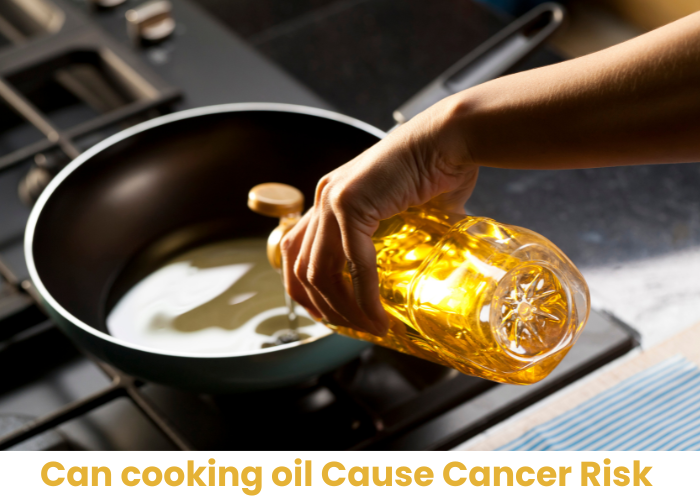
Can Cooking Oils Increase Cancer Risk?...
Understanding Radiation Therapy in Cancer Care...

Everyday Habits to Help Prevent Cancer...
Eating Well During Cancer Treatment: Indian...
Ovarian Cancer: Signs, Risk Factors &...
Comprehensive Sarcoma Treatment at Ask Oncologist...
Uterine Cancer: Recognizing Symptoms, Risk Factors,...
Comprehensive Guide to Stomach Cancer: Causes,...
Lung Cancer: Everything You Need to...
More Blogs
Understanding Oral (Mouth) Cancer: Causes, Symptoms,...
Prostate Cancer: A Comprehensive Guide to...
Understanding Pancreatic Cancer: Diagnosis and Treatment...

Understanding Multiple Cancers: Types, Causes &...
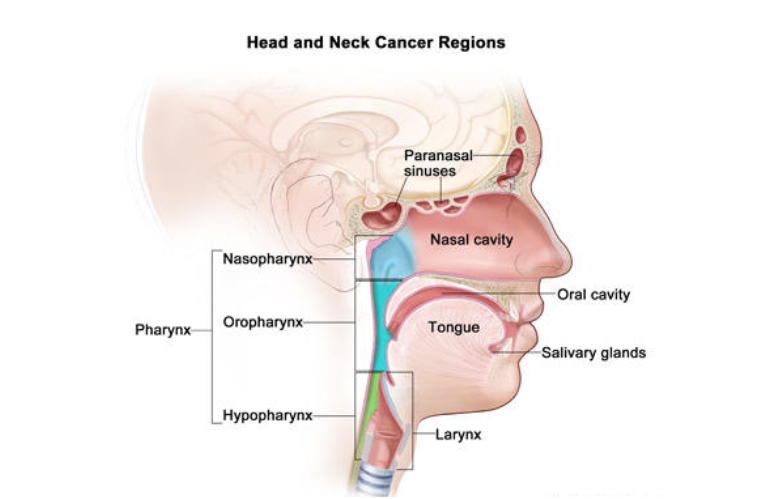
Understanding Head and Neck Cancer: Causes,...

Understanding Childhood Cancer: Causes, Survival, and...

Comprehensive Guide to Cancer: Causes, Prevention,...
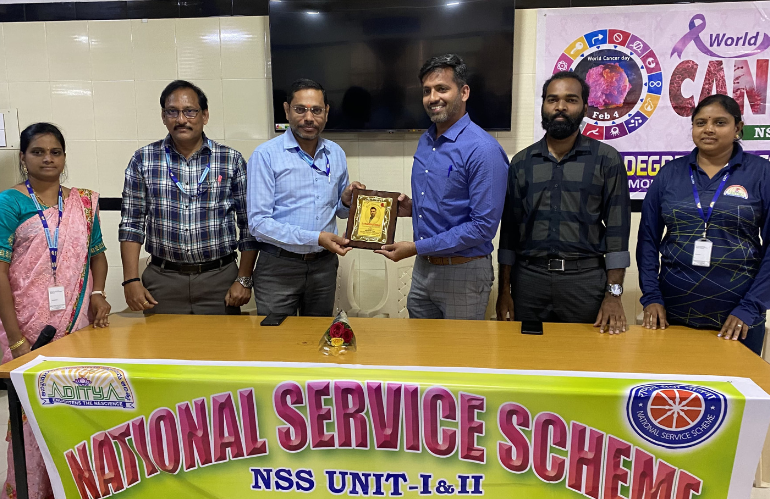
...
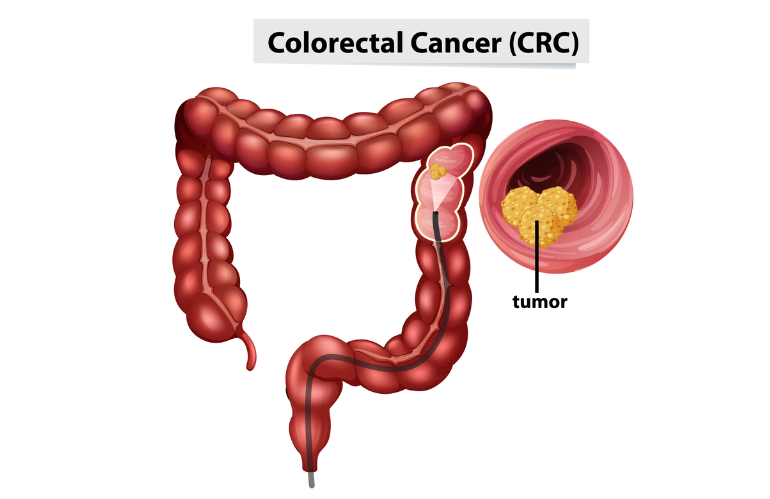
Expert Colon Cancer Treatment in Kakinada...
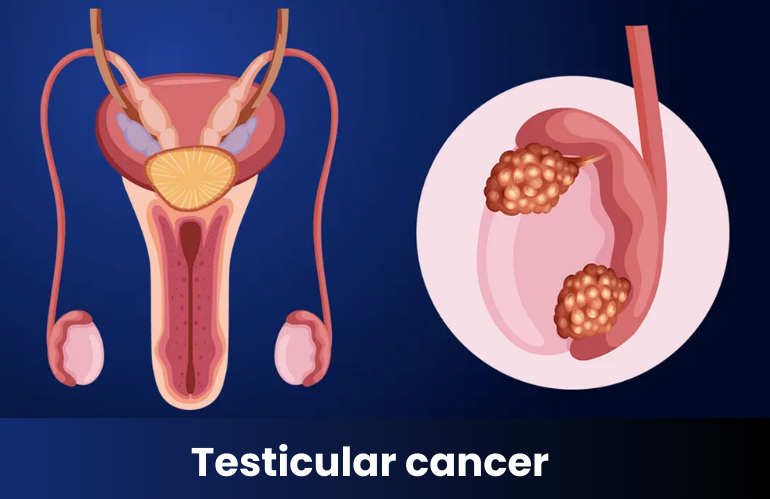
Understanding Testicular Cancer: Comprehensive Insights by...
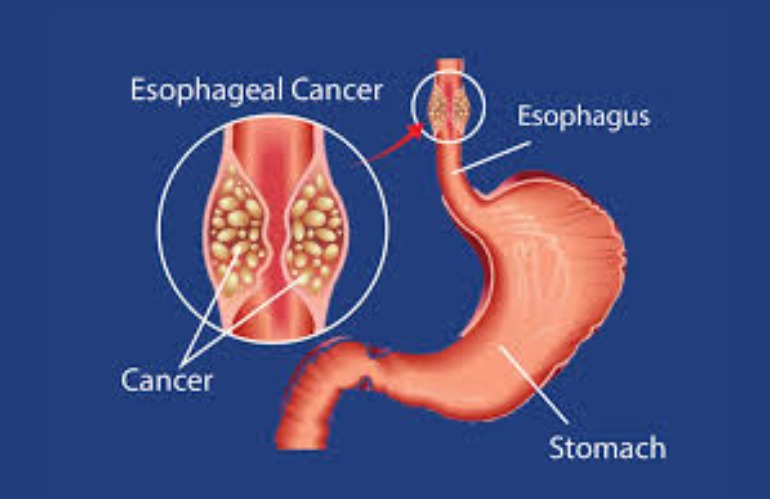
Esophageal Cancer: Understanding Symptoms, Risks, and...
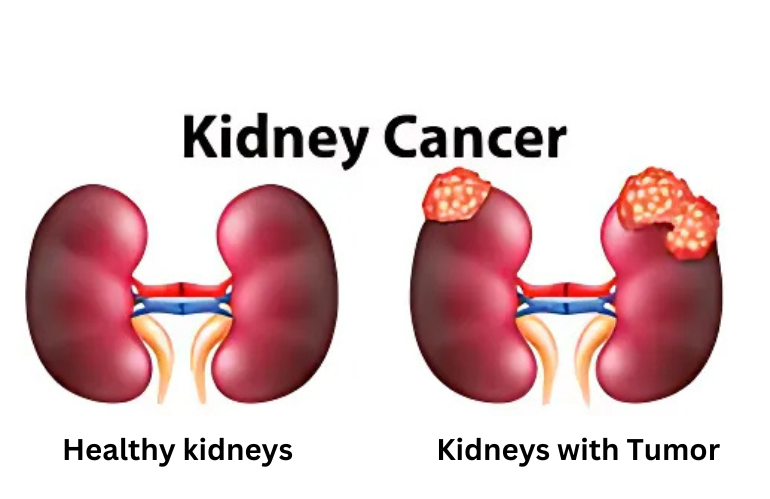
Understanding Kidney Cancer: Awareness, Treatment, and...
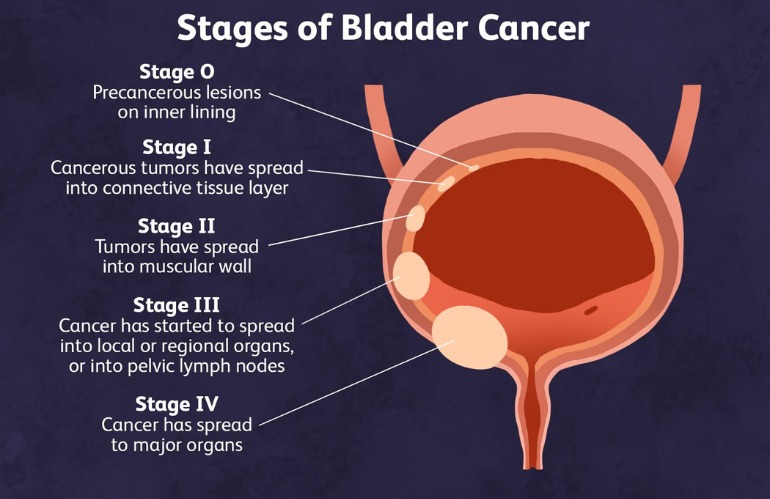
Comprehensive Guide to Bladder Cancer: Symptoms,...
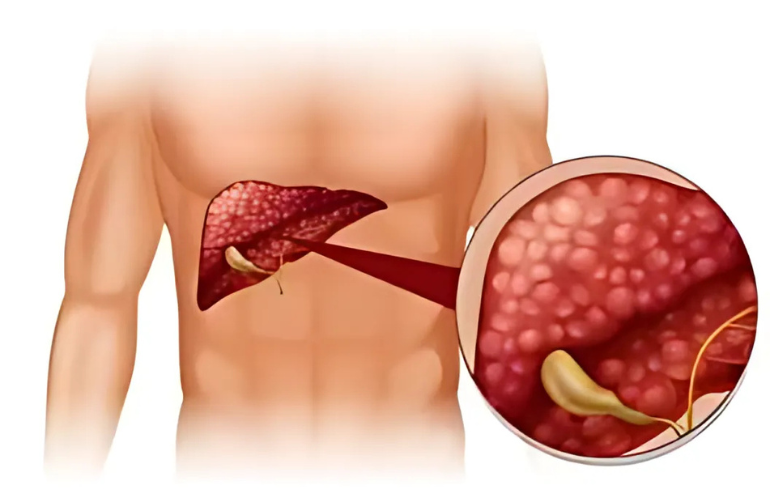
Expert Liver Cancer Care: Get Answers,...

Brain Cancer Treatment in Kakinada: Comprehensive...

Understanding Leukemia Treatment with Dr....
Finding the Best Oncologist in Kakinada...
Latest Blogs
When Smoke Attacks: The Hidden War...
Lymphoma Cancer Treatment: Easy Guide to...
Life After Childhood Cancer: Understanding the...
The Big Cancer Myth Explosion: Social...
Beating Leukemia Is Only the Beginning:...
The Pink Truth: 6 Breast Cancer...
Do you think losing weight is...
Uncovering the Silent Triggers of Skin...
Can Cooking Oils Increase Cancer Risk?...
Understanding Radiation Therapy in Cancer Care...
Everyday Habits to Help Prevent Cancer...
Eating Well During Cancer Treatment: Indian...
Ovarian Cancer: Signs, Risk Factors &...
Comprehensive Sarcoma Treatment at Ask Oncologist...
Uterine Cancer: Recognizing Symptoms, Risk Factors,...
Comprehensive Guide to Stomach Cancer: Causes,...
Lung Cancer: Everything You Need to...
More Blogs
Understanding Oral (Mouth) Cancer: Causes, Symptoms,...
Prostate Cancer: A Comprehensive Guide to...
Understanding Pancreatic Cancer: Diagnosis and Treatment...
Understanding Multiple Cancers: Types, Causes &...
Understanding Head and Neck Cancer: Causes,...
Understanding Childhood Cancer: Causes, Survival, and...
Comprehensive Guide to Cancer: Causes, Prevention,...
...
Expert Colon Cancer Treatment in Kakinada...
Understanding Testicular Cancer: Comprehensive Insights by...
Esophageal Cancer: Understanding Symptoms, Risks, and...
Understanding Kidney Cancer: Awareness, Treatment, and...
Comprehensive Guide to Bladder Cancer: Symptoms,...
Expert Liver Cancer Care: Get Answers,...
Brain Cancer Treatment in Kakinada: Comprehensive...
Understanding Leukemia Treatment with Dr....
Finding the Best Oncologist in Kakinada...
Other
When it comes to preventing cancer, lifestyle and diet choices play a huge role. One of the most debated topics today is the type of cooking oils we use daily. Social media is flooded with claims—some say seed oils are harmful, while others promote animal fats like beef tallow as healthy alternatives. But what does science say? Is there a real connection between the oils you use and your risk of cancer?
To understand this better, experts like Dr. Pradeep Bhaskar, MBBS, DNB (Radiation Oncology), FIGRS, and Consultant Radiation Oncologist, emphasize the importance of a balanced diet and informed choices. Recognized as a leading cancer specialist in Kakinada, Dr. Bhaskar often educates patients about dietary habits that support better health outcomes during and after cancer treatment in Kakinada.
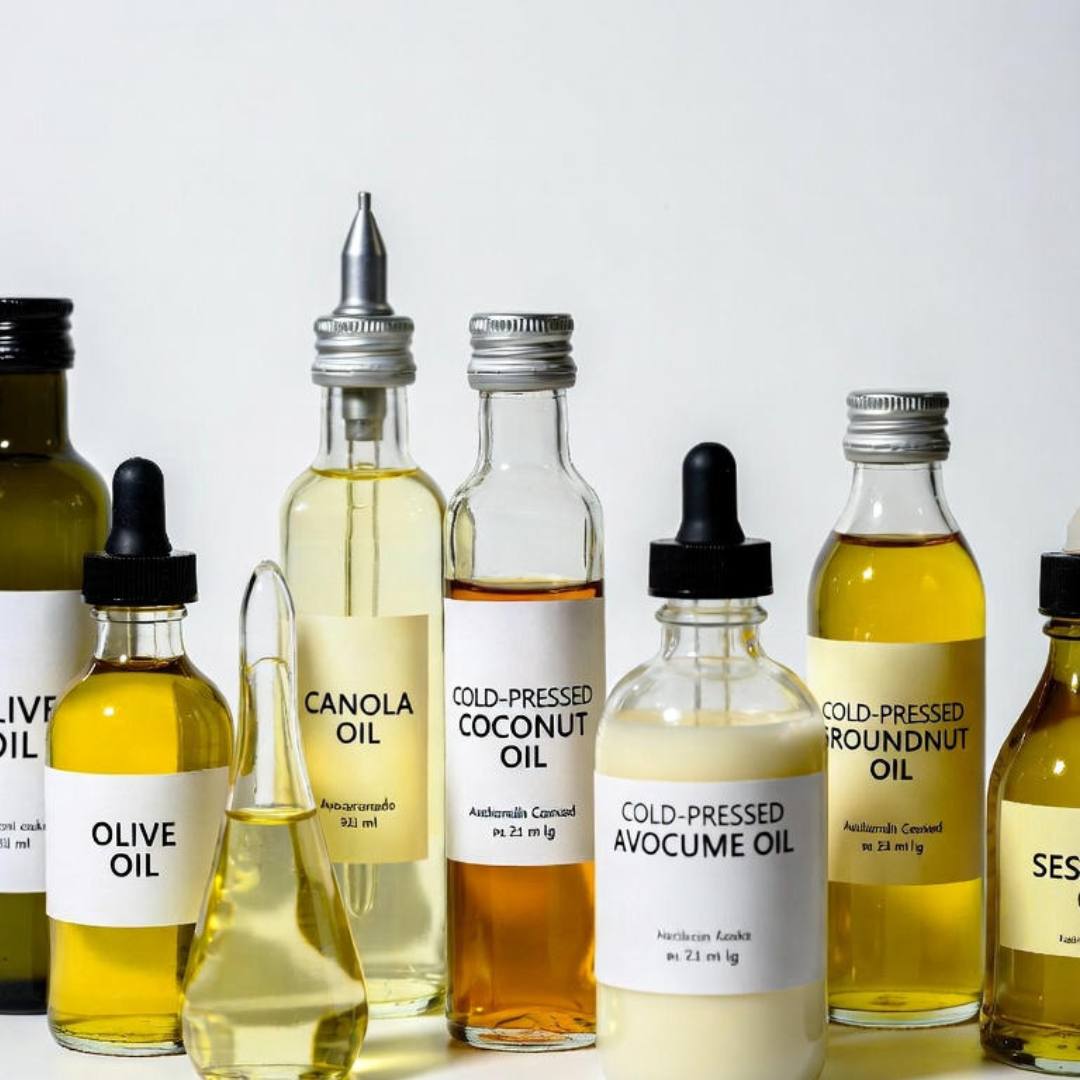
Seed oils are extracted from various plant seeds such as canola, soybean, corn, sunflower, safflower, and flaxseed. These oils are rich in unsaturated fats, which are generally considered healthier than saturated fats found in animal-based products.
Organizations like the American Heart Association recommend replacing saturated fats with unsaturated fats to support heart and overall health. While seed oils are high in omega-6 fatty acids—which have been linked to inflammation when consumed in excess—they are not inherently dangerous. Our bodies need both omega-6 and omega-3 fatty acids for essential functions.
However, it’s important to note that the health risks associated with seed oils often arise from their use in ultra-processed and deep-fried foods, not from moderate use in home cooking.
Animal Fats Like Tallow: Are They Safer?
Tallow is a rendered form of beef fat. Other common animal fats used in cooking include lard, bacon grease, butter, and ghee. While tallow contains small amounts of beneficial nutrients, it is also high in saturated fat—which has been linked to elevated cholesterol and increased cancer risk.
According to research and health organizations, diets high in saturated fat can lead to chronic inflammation, obesity, and cardiovascular issues—all of which are potential risk factors for cancer. In fact, some studies have linked high consumption of beef tallow to intestinal and prostate cancers in animal models.
As the best oncologist in Kakinada, Dr. Pradeep Bhaskar advises patients undergoing or recovering from cancer treatment in Kakinada to limit intake of saturated fats and focus on plant-based dietary alternatives for better health outcomes.
Which Oils Should You Use?
Choosing the right cooking oil becomes even more important for people who are undergoing cancer treatment, recovering after therapy, or trying to reduce inflammation through diet. Many patients in Kakinada, guided by Dr. Pradeep Bhaskar, often ask the same question:
“Which oils are safest for me now?”
Here’s a clear, patient-friendly breakdown with updated science + practical kitchen tips.
1. Olive Oil & Avocado Oil — Everyday Safe Choices
These oils are rich in healthy monounsaturated fats and powerful antioxidants that help reduce internal inflammation, making them excellent for cancer patients.
Olive oil supports heart health and digestion—two things that often get affected during chemotherapy.
Avocado oil holds its nutrients even at medium–high heat and is one of the most stable oils for cooking.
Best way to use:
Light sautéing, drizzling on vegetables, adding to salads, or general daily cooking.
2. Canola Oil — High-Heat Cooking Without Harmful Smoke
When food is cooked at very high temperatures, many oils break down and release harmful compounds.
Canola oil has a high smoke point, so it stays stable even when frying or roasting.
It’s also low in saturated fat, making it easier on the body during recovery.
Best way to use:
Roasting, frying, grilling, baking.
3. Cold-Pressed Oils — More Nutrients, Less Processing
Patients undergoing treatment often need foods that are gentle on the stomach and rich in natural nutrients.
This is why cold-pressed oils are preferred—they preserve antioxidants, vitamins, and natural compounds.
Good options:
- Cold-pressed groundnut oil
- Cold-pressed coconut oil
- Cold-pressed sesame oil
Why they help:
Minimal processing = better nutrient retention + fewer unwanted chemicals.
4. Avoid Reusing or Overheating Oils
One of the biggest mistakes people make in Indian kitchens is reusing leftover oil.
Reheated oils can form compounds linked with:
- Inflammation
- Poor digestion
- Increased oxidative stress
For cancer patients, this stress on the body should be avoided completely.
5. Use Oil Sprays to Control Fat Intake
During or after cancer treatment, digestion becomes delicate. Too much oil can make meals heavy.
A simple solution?
Oil sprays.
They give flavor with very little fat, making them ideal for patients who need lighter meals but still want taste.
Final Thoughts from a Cancer Specialist in Kakinada
There’s no need to completely eliminate any one oil from your kitchen. Instead, aim for a balanced and plant-rich diet, limit your intake of processed and fried foods, and be mindful of how you cook.
Dr. Pradeep Bhaskar, a renowned consultant radiation oncologist and recognized as one of the best oncologists in Kakinada, reminds patients that small, consistent choices—like selecting the right oil—can contribute to long-term health and support overall wellness, especially during cancer recovery.
If you or a loved one is seeking guidance on cancer treatment in Kakinada, trust the expertise of Dr. Pradeep Bhaskar, MBBS, DNB (Radiation Oncology), FIGRS, who combines cutting-edge treatment with holistic care to help you live healthier, longer.

Latest Blogs
When Smoke Attacks: The Hidden War...
Lymphoma Cancer Treatment: Easy Guide to...
Life After Childhood Cancer: Understanding the...
The Big Cancer Myth Explosion: Social...
Beating Leukemia Is Only the Beginning:...
The Pink Truth: 6 Breast Cancer...
Do you think losing weight is...
Uncovering the Silent Triggers of Skin...
Can Cooking Oils Increase Cancer Risk?...
Understanding Radiation Therapy in Cancer Care...
Everyday Habits to Help Prevent Cancer...
Eating Well During Cancer Treatment: Indian...
Ovarian Cancer: Signs, Risk Factors &...
Comprehensive Sarcoma Treatment at Ask Oncologist...
Uterine Cancer: Recognizing Symptoms, Risk Factors,...
Comprehensive Guide to Stomach Cancer: Causes,...
Lung Cancer: Everything You Need to...

Other
When it comes to preventing cancer, lifestyle and diet choices play a huge role. One of the most debated topics today is the type of cooking oils we use daily. Social media is flooded with claims—some say seed oils are harmful, while others promote animal fats like beef tallow as healthy alternatives. But what does science say? Is there a real connection between the oils you use and your risk of cancer?
To understand this better, experts like Dr. Pradeep Bhaskar, MBBS, DNB (Radiation Oncology), FIGRS, and Consultant Radiation Oncologist, emphasize the importance of a balanced diet and informed choices. Recognized as a leading cancer specialist in Kakinada, Dr. Bhaskar often educates patients about dietary habits that support better health outcomes during and after cancer treatment in Kakinada.
Seed oils are extracted from various plant seeds such as canola, soybean, corn, sunflower, safflower, and flaxseed. These oils are rich in unsaturated fats, which are generally considered healthier than saturated fats found in animal-based products.
Organizations like the American Heart Association recommend replacing saturated fats with unsaturated fats to support heart and overall health. While seed oils are high in omega-6 fatty acids—which have been linked to inflammation when consumed in excess—they are not inherently dangerous. Our bodies need both omega-6 and omega-3 fatty acids for essential functions.
However, it’s important to note that the health risks associated with seed oils often arise from their use in ultra-processed and deep-fried foods, not from moderate use in home cooking.
Animal Fats Like Tallow: Are They Safer?
Tallow is a rendered form of beef fat. Other common animal fats used in cooking include lard, bacon grease, butter, and ghee. While tallow contains small amounts of beneficial nutrients, it is also high in saturated fat—which has been linked to elevated cholesterol and increased cancer risk.
According to research and health organizations, diets high in saturated fat can lead to chronic inflammation, obesity, and cardiovascular issues—all of which are potential risk factors for cancer. In fact, some studies have linked high consumption of beef tallow to intestinal and prostate cancers in animal models.
As the best oncologist in Kakinada, Dr. Pradeep Bhaskar advises patients undergoing or recovering from cancer treatment in Kakinada to limit intake of saturated fats and focus on plant-based dietary alternatives for better health outcomes.
Which Oils Should You Use?
Choosing the right cooking oil becomes even more important for people who are undergoing cancer treatment, recovering after therapy, or trying to reduce inflammation through diet. Many patients in Kakinada, guided by Dr. Pradeep Bhaskar, often ask the same question:
“Which oils are safest for me now?”
Here’s a clear, patient-friendly breakdown with updated science + practical kitchen tips.
1. Olive Oil & Avocado Oil — Everyday Safe Choices
These oils are rich in healthy monounsaturated fats and powerful antioxidants that help reduce internal inflammation, making them excellent for cancer patients.
Olive oil supports heart health and digestion—two things that often get affected during chemotherapy.
Avocado oil holds its nutrients even at medium–high heat and is one of the most stable oils for cooking.
Best way to use:
Light sautéing, drizzling on vegetables, adding to salads, or general daily cooking.
2. Canola Oil — High-Heat Cooking Without Harmful Smoke
When food is cooked at very high temperatures, many oils break down and release harmful compounds.
Canola oil has a high smoke point, so it stays stable even when frying or roasting.
It’s also low in saturated fat, making it easier on the body during recovery.
Best way to use:
Roasting, frying, grilling, baking.
3. Cold-Pressed Oils — More Nutrients, Less Processing
Patients undergoing treatment often need foods that are gentle on the stomach and rich in natural nutrients.
This is why cold-pressed oils are preferred—they preserve antioxidants, vitamins, and natural compounds.
Good options:
- Cold-pressed groundnut oil
- Cold-pressed coconut oil
- Cold-pressed sesame oil
Why they help:
Minimal processing = better nutrient retention + fewer unwanted chemicals.
4. Avoid Reusing or Overheating Oils
One of the biggest mistakes people make in Indian kitchens is reusing leftover oil.
Reheated oils can form compounds linked with:
- Inflammation
- Poor digestion
- Increased oxidative stress
For cancer patients, this stress on the body should be avoided completely.
5. Use Oil Sprays to Control Fat Intake
During or after cancer treatment, digestion becomes delicate. Too much oil can make meals heavy.
A simple solution?
Oil sprays.
They give flavor with very little fat, making them ideal for patients who need lighter meals but still want taste.
Final Thoughts from a Cancer Specialist in Kakinada
There’s no need to completely eliminate any one oil from your kitchen. Instead, aim for a balanced and plant-rich diet, limit your intake of processed and fried foods, and be mindful of how you cook.
Dr. Pradeep Bhaskar, a renowned consultant radiation oncologist and recognized as one of the best oncologists in Kakinada, reminds patients that small, consistent choices—like selecting the right oil—can contribute to long-term health and support overall wellness, especially during cancer recovery.
If you or a loved one is seeking guidance on cancer treatment in Kakinada, trust the expertise of Dr. Pradeep Bhaskar, MBBS, DNB (Radiation Oncology), FIGRS, who combines cutting-edge treatment with holistic care to help you live healthier, longer.
📝 Latest Comments
No comments yet. Be the first to comment!
Other
When it comes to preventing cancer, lifestyle and diet choices play a huge role. One of the most debated topics today is the type of cooking oils we use daily. Social media is flooded with claims—some say seed oils are harmful, while others promote animal fats like beef tallow as healthy alternatives. But what does science say? Is there a real connection between the oils you use and your risk of cancer?
To understand this better, experts like Dr. Pradeep Bhaskar, MBBS, DNB (Radiation Oncology), FIGRS, and Consultant Radiation Oncologist, emphasize the importance of a balanced diet and informed choices. Recognized as a leading cancer specialist in Kakinada, Dr. Bhaskar often educates patients about dietary habits that support better health outcomes during and after cancer treatment in Kakinada.
Seed oils are extracted from various plant seeds such as canola, soybean, corn, sunflower, safflower, and flaxseed. These oils are rich in unsaturated fats, which are generally considered healthier than saturated fats found in animal-based products.
Organizations like the American Heart Association recommend replacing saturated fats with unsaturated fats to support heart and overall health. While seed oils are high in omega-6 fatty acids—which have been linked to inflammation when consumed in excess—they are not inherently dangerous. Our bodies need both omega-6 and omega-3 fatty acids for essential functions.
However, it’s important to note that the health risks associated with seed oils often arise from their use in ultra-processed and deep-fried foods, not from moderate use in home cooking.
Animal Fats Like Tallow: Are They Safer?
Tallow is a rendered form of beef fat. Other common animal fats used in cooking include lard, bacon grease, butter, and ghee. While tallow contains small amounts of beneficial nutrients, it is also high in saturated fat—which has been linked to elevated cholesterol and increased cancer risk.
According to research and health organizations, diets high in saturated fat can lead to chronic inflammation, obesity, and cardiovascular issues—all of which are potential risk factors for cancer. In fact, some studies have linked high consumption of beef tallow to intestinal and prostate cancers in animal models.
As the best oncologist in Kakinada, Dr. Pradeep Bhaskar advises patients undergoing or recovering from cancer treatment in Kakinada to limit intake of saturated fats and focus on plant-based dietary alternatives for better health outcomes.
Which Oils Should You Use?
Choosing the right cooking oil becomes even more important for people who are undergoing cancer treatment, recovering after therapy, or trying to reduce inflammation through diet. Many patients in Kakinada, guided by Dr. Pradeep Bhaskar, often ask the same question:
“Which oils are safest for me now?”
Here’s a clear, patient-friendly breakdown with updated science + practical kitchen tips.
1. Olive Oil & Avocado Oil — Everyday Safe Choices
These oils are rich in healthy monounsaturated fats and powerful antioxidants that help reduce internal inflammation, making them excellent for cancer patients.
Olive oil supports heart health and digestion—two things that often get affected during chemotherapy.
Avocado oil holds its nutrients even at medium–high heat and is one of the most stable oils for cooking.
Best way to use:
Light sautéing, drizzling on vegetables, adding to salads, or general daily cooking.
2. Canola Oil — High-Heat Cooking Without Harmful Smoke
When food is cooked at very high temperatures, many oils break down and release harmful compounds.
Canola oil has a high smoke point, so it stays stable even when frying or roasting.
It’s also low in saturated fat, making it easier on the body during recovery.
Best way to use:
Roasting, frying, grilling, baking.
3. Cold-Pressed Oils — More Nutrients, Less Processing
Patients undergoing treatment often need foods that are gentle on the stomach and rich in natural nutrients.
This is why cold-pressed oils are preferred—they preserve antioxidants, vitamins, and natural compounds.
Good options:
- Cold-pressed groundnut oil
- Cold-pressed coconut oil
- Cold-pressed sesame oil
Why they help:
Minimal processing = better nutrient retention + fewer unwanted chemicals.
4. Avoid Reusing or Overheating Oils
One of the biggest mistakes people make in Indian kitchens is reusing leftover oil.
Reheated oils can form compounds linked with:
- Inflammation
- Poor digestion
- Increased oxidative stress
For cancer patients, this stress on the body should be avoided completely.
5. Use Oil Sprays to Control Fat Intake
During or after cancer treatment, digestion becomes delicate. Too much oil can make meals heavy.
A simple solution?
Oil sprays.
They give flavor with very little fat, making them ideal for patients who need lighter meals but still want taste.
Final Thoughts from a Cancer Specialist in Kakinada
There’s no need to completely eliminate any one oil from your kitchen. Instead, aim for a balanced and plant-rich diet, limit your intake of processed and fried foods, and be mindful of how you cook.
Dr. Pradeep Bhaskar, a renowned consultant radiation oncologist and recognized as one of the best oncologists in Kakinada, reminds patients that small, consistent choices—like selecting the right oil—can contribute to long-term health and support overall wellness, especially during cancer recovery.
If you or a loved one is seeking guidance on cancer treatment in Kakinada, trust the expertise of Dr. Pradeep Bhaskar, MBBS, DNB (Radiation Oncology), FIGRS, who combines cutting-edge treatment with holistic care to help you live healthier, longer.
📝 Latest Comments
No comments yet. Be the first to comment!
📝 Latest Comments
No comments yet. Be the first to comment!