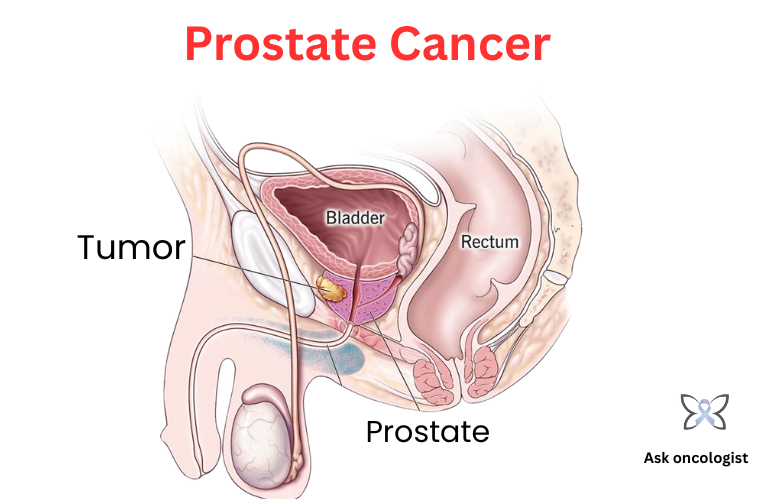

Prostate cancer is one of the most common types of cancer affecting men worldwide. It develops in the prostate gland, a small walnut-shaped organ that produces seminal fluid. While some prostate cancers grow slowly and may not cause significant harm, others can be aggressive and spread rapidly. Early detection and timely treatment can significantly improve outcomes. This article provides an in-depth look at prostate cancer, its symptoms, risk factors, diagnosis, treatment options, and preventive measures. If you're in need of expert guidance, consulting the best oncologist in Kakinada or the best cancer specialist in Kakinada can ensure you receive the most appropriate care.
Prostate Cancer
Prostate Cancer: A Comprehensive Guide to Symptoms, Diagnosis, and Treatment
Understanding Prostate Cancer
Prostate cancer begins when abnormal cells in the prostate gland start to grow uncontrollably. It is classified into different stages based on the extent of its spread:
Localized Prostate Cancer: Cancer is confined to the prostate gland.
Locally Advanced Prostate Cancer: Cancer has spread beyond the prostate to nearby tissues.
Metastatic Prostate Cancer: Cancer has spread to distant organs, such as the bones or lymph nodes.
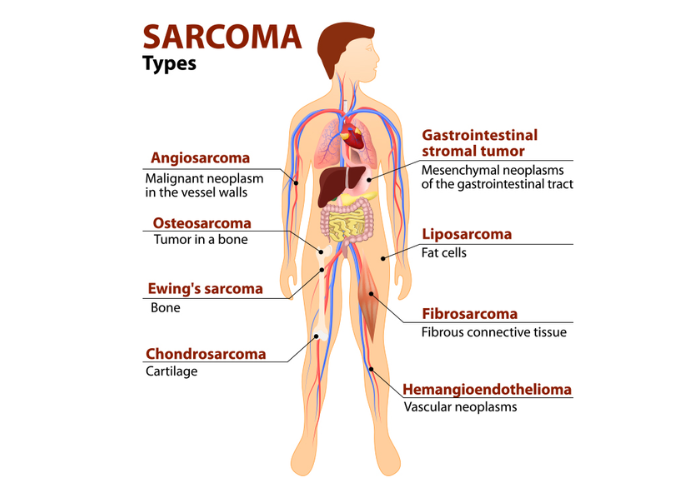
There are different types of prostate cancer, with the most common being prostatic adenocarcinoma. Other rare forms include small cell carcinoma, neuroendocrine tumors, transitional cell carcinoma, and sarcomas.
Risk Factors
Several factors can increase the risk of developing prostate cancer, including:
Age: The risk increases significantly after the age of 50. Most cases are diagnosed in men over 65.
Family History: A family history of prostate cancer, particularly in a father or brother, can elevate the risk.
Genetics: Mutations in genes such as BRCA1 and BRCA2 may play a role in hereditary prostate cancer.
Diet: Diets high in red meat, processed foods, and high-fat dairy products have been linked to an increased risk of prostate cancer.
Obesity: Excess weight can contribute to more aggressive forms of the disease, making early detection and treatment even more crucial.
Hormonal Changes: High levels of male hormones, particularly testosterone, may influence prostate cancer growth.