A heartfelt guide by Dr. Pradeep Bhaskar – Childhood Cancer Specialist in Kakinada
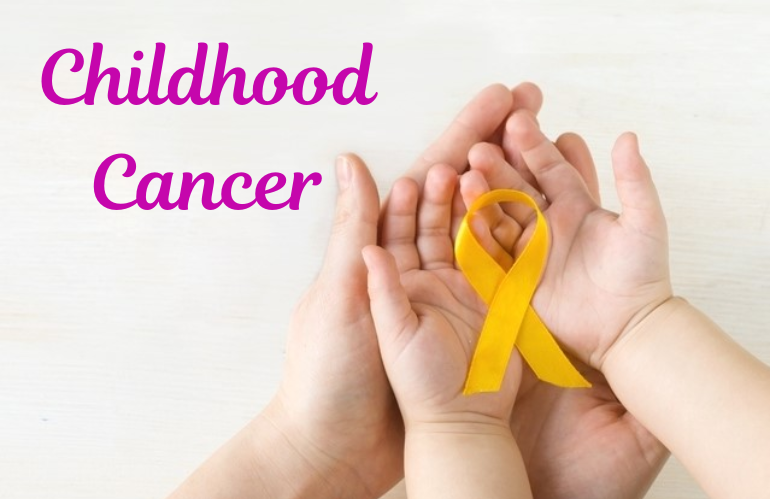
childhood cancer
Life After Childhood Cancer: Understanding the Journey of Survivorship
When a child is diagnosed with cancer, life instantly changes for the entire family. Every parent wants only one thing — “How do we save our child?” The focus shifts to treatments, survival, and getting through one day at a time.
But what many people don’t realize is this:
When treatment ends, another important journey begins.
This journey is called survivorship — the phase where children step back into life, slowly rebuilding their strength, confidence, and identity.
As one of the best oncologists in Kakinada, Dr. Pradeep Bhaskar has seen countless young survivors rediscover their childhood after treatment. This blog is for families who want to understand what happens after cancer and how to support their child’s long-term health and happiness.
Understanding Childhood Cancer — A Quick, Simple Reminder
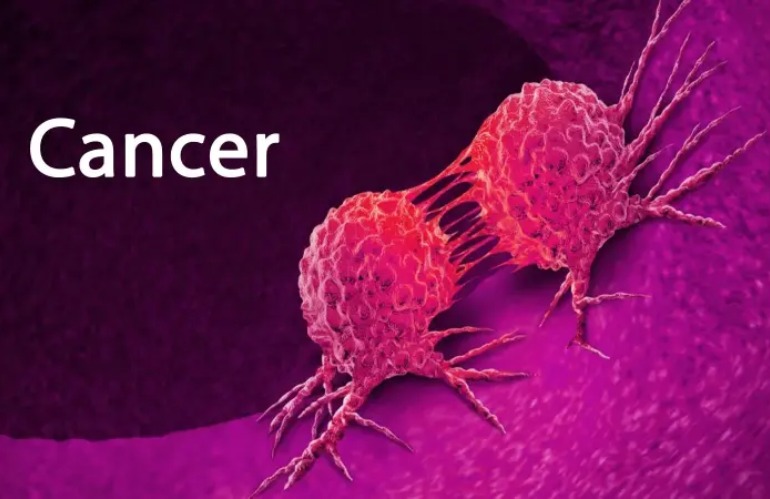
Childhood cancers usually develop because of sudden genetic changes, not because of anything a child or parent did wrong.
The most common types include:
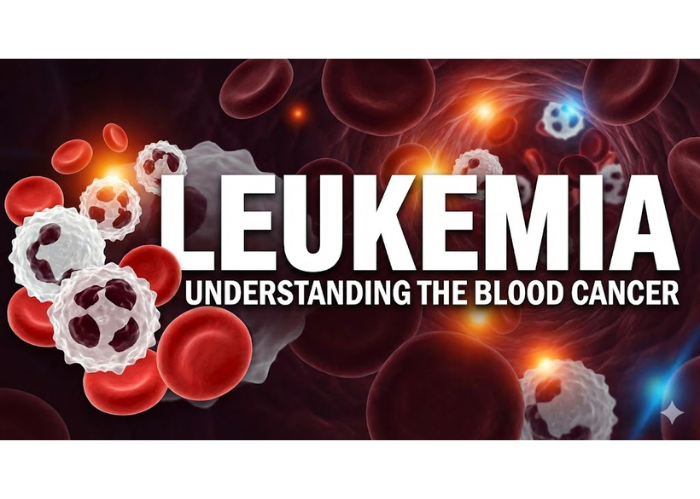
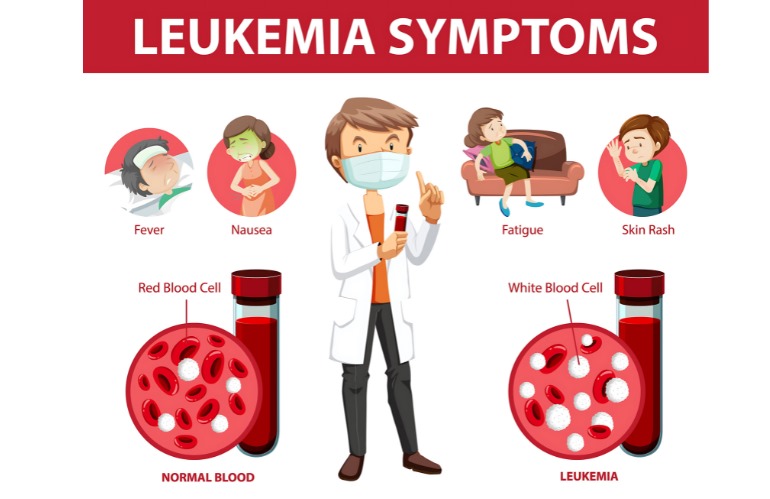
- Leukemia
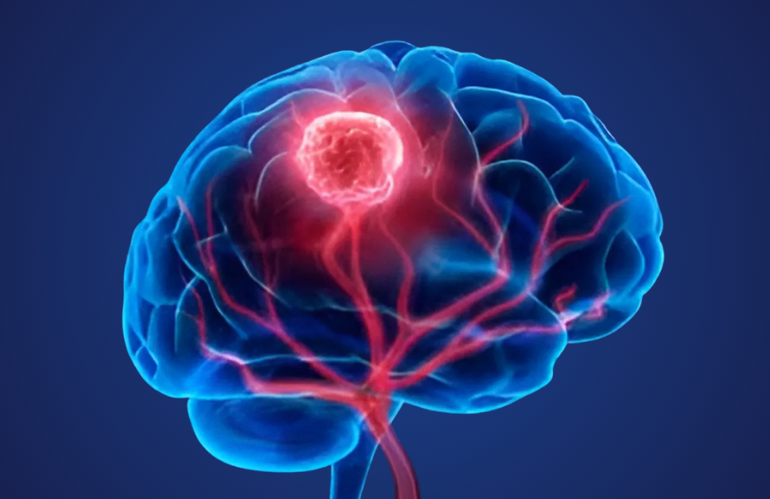
- Brain tumors
- Lymphomas
- Neuroblastoma
- Wilms tumor
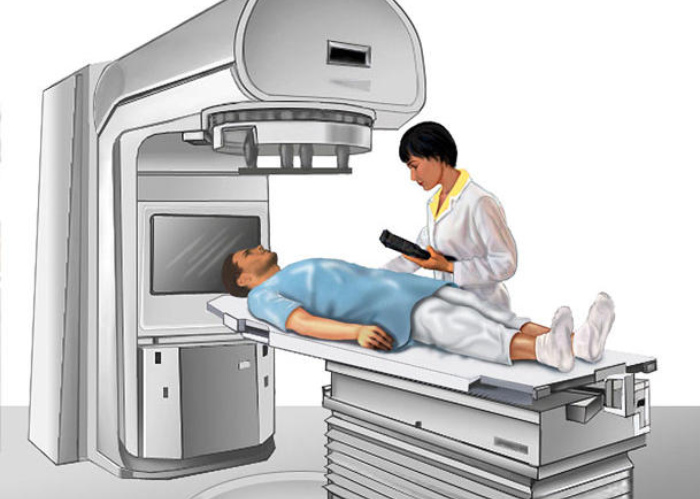
Today, with advanced childhood cancer treatment in Kakinada, including chemotherapy, radiation, targeted therapies, and surgery, many children recover and return to normal life. And that is where the next chapter begins.
Life After Treatment: Returning to a Healthy & Happy Routine
1. Regaining Strength Step-by-Step
Once treatment ends, children slowly return to school, sports, hobbies, and friendships. Some bounce back quickly, while others need time — both are normal.
Their body has been through a battle, and gentle routines, rest, and healthy food help them regain energy.
2. Emotional Healing Matters Just as Much
Cancer changes how a child feels inside.
Some survivors may:
- Fear the disease coming back
- Feel different from their friends
- Worry about scars or physical changes
- Struggle with attention or studies
This is where emotional love and support from family becomes priceless. A safe environment at home and school helps them regain confidence and joy.
3. Celebrating Small Victories
Going back to school, playing outside again, sleeping peacefully, laughing freely — these small victories mean everything.
Survivorship teaches children courage beyond their years, and many families say it makes them stronger and more grateful.
Long-Term Health & Precautions: Protecting Their Future
Even after recovery, survivors need gentle, continuous care. This doesn’t mean something is wrong — it simply ensures they stay healthy throughout life.
Regular Follow-Up Visits
Meeting your child’s oncologist every few months helps track growth, immunity, and development. It also ensures early detection of any long-term effects.
Those seeking ongoing childhood cancer care can consult Dr. Pradeep Bhaskar in Kakinada for expert monitoring and personalized follow-up plans..
Healthy Lifestyle Choices
- Nutritious meals
- Plenty of water
- Physical activity
- Limited junk food
- Adequate sleep
These simple habits strengthen their immunity and keep their body in balance.
Monitoring Growth & Learning
Some survivors may need help catching up with studies or physical development. With early support from teachers and doctors, they adapt beautifully.
Emotional & Mental Support
Counseling, group activities, creative hobbies, and talking openly about feelings make a big difference.
A child who feels supported emotionally heals faster.
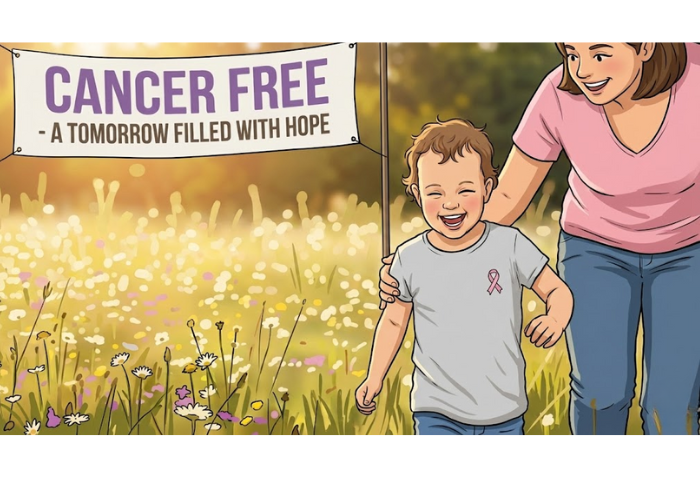
A Tomorrow Filled With Hope
Survivorship is not a reminder of the illness — it is a celebration of strength.
Children who overcome cancer often grow up to be:
- Confident
- Compassionate
- Emotionally mature
- Determined
- Inspiring to others
With the right long-term care and emotional support, they lead completely normal, healthy, joyful lives.
If your child has completed treatment or you want guidance on follow-up care, you can reach out to the best radiation oncologist in Kakinada, Dr. Pradeep Bhaskar, for compassionate support and expert advice.
Cancer may have been one chapter in the child’s life…
but it will NEVER define their future.
Frequently Asked Questions (FAQs)
1. Can childhood cancer survivors live a normal life?
Yes. With proper follow-ups and support, most survivors grow up healthy and active.
2. How often should follow-up visits be done?
Regular visits are needed every few months, especially in the first 2 years after treatment.
3. What long-term effects should we watch for?
Fatigue, growth delays, learning issues, or emotional stress may appear in some survivors.
4. Is emotional support important after treatment?
Yes. Love, counseling, and a supportive environment help children regain confidence.
5. Who can guide us with long-term care?
A pediatric cancer specialist. Families in AP often consult Dr. Pradeep Bhaskar, Best Oncologist in Kakinada, for survivorship care.